
Raw Vegan Protein – Where Does It Actually Come From?
Raw vegan protein often begins as an ingredient note on a menu. It then becomes a textural intention on the plate. A handful of seeds adds crunch. A smear of nut cheese adds richness. A scattering of sprouts adds brightness. Yet the practical question of where that protein comes from is one diners searching for a vegan restaurant near Murray Hill frequently ask.
This exploration looks beyond labels to describe sources and textures. It explains how plants are assembled so a meal feels both complete and light. Restaurante Vegano Italiano Coletta, a part of City Roots Hospitality, places these ingredients within an Italian sensibility that values texture and season. As a result, the discussion that follows clarifies how raw plant foods become meaningful sources of protein in everyday dining.
How raw protein shapes a meal at a vegan restaurant near Murray Hill
Protein in raw preparations is rarely a single item. Instead, it arrives as layered elements that carry flavor and mouthfeel. Toasted seeds on a salad, a scoop of almond ricotta, or sprouted legumes folded into greens each add grams of protein. More importantly, they change how a bite completes itself.
Texture is the first signal. Nuts and seeds provide a toothsome counterpoint to slippery sea vegetables and silky cashew creams. Therefore, chefs compose plates so protein-rich components are distributed across the course. A simple salad becomes a structured dish. The protein is felt as density rather than announced as an ingredient.
A dining flow that emphasizes contrasts such as crisp, soft, creamy, and fresh also aids digestion. In fact, sprouting and soaking soften fibers and reduce antinutrients. This makes amino acids more available. In practice, a menu at a vegan restaurant near Murray Hill can be both delicate and substantial without heavy cooking.
Nuts, butters, and cultured cheeses
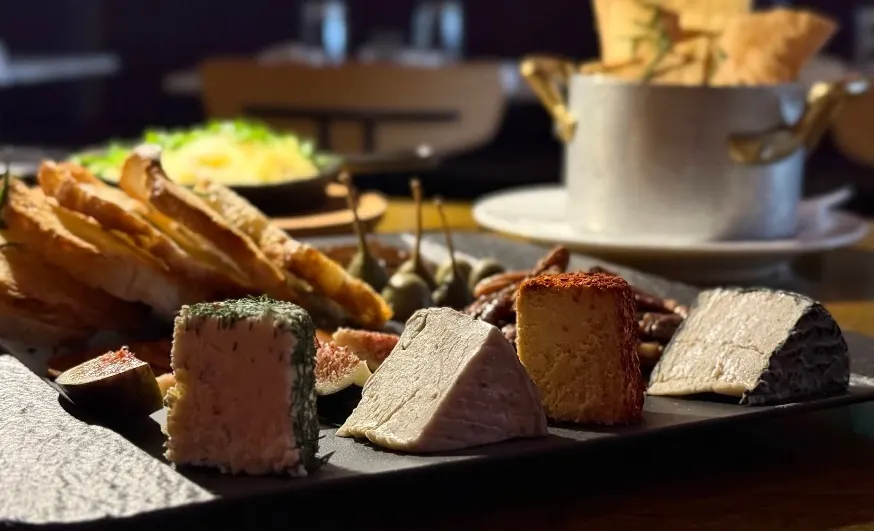
Nuts and seeds form the foundation of many raw protein strategies. Almonds, cashews, and hemp seeds appear as whole garnishes or blended bases. They also appear as cultured spreads that mimic the mouthfeel of dairy. A small mound of hemp seeds or a spoonful of tahini has a concentrated protein profile. These foods deliver fats that help the body use amino acids efficiently.
Soaking and blending make nuts pliant for ricottas and creamy sauces. Additionally, light toasting adds aroma and a perception of richness. Fermented nut cheeses introduce tang and often improve digestibility.
These techniques translate raw proteins into forms that feel familiar to diners. When an Italian vocabulary such as ricotta, pesto, or crumb guides the preparation, the result feels intentional and rooted.
Sourcing, seasonality, and what it means for a vegan restaurant near Murray Hill
Ingredients matter. An organic seed or a locally sprouted legume changes the narrative of a dish. Moreover, an organic vegan restaurant near Murray Hill that emphasizes harvest timing will naturally shift which proteins appear across the seasons. Menus then lean on what is freshest and most nutrient-dense at the moment.
Provenance also intersects with dietary standards. For diners seeking a kosher restaurant near Murray Hill, sourcing and handling practices are part of the protein story. How nuts are stored, whether cultures are supervised, and how prepared foods are separated all contribute to a sense of care. These operational choices reassure guests that the protein on the plate aligns with broader dietary needs.
As a result, a thoughtful kitchen rotates seed blends and introduces sprouted grains in cooler months. It highlights sea vegetables in summer when they are most vibrant. The sensory effect is immediate. A briny note, a green shimmer, or a toasted nuttiness becomes a clear signal of balance. The nutritional effect builds over time.
Sprouts, legumes, and plant proteins that surprise
Sprouted legumes and raw pulses have greater bioavailability than their dry equivalents. For example, a handful of sprouted lentils folded into a salad yields a noticeable bite and meaningful protein. Quinoa and buckwheat, when treated in raw preparations, act as textured carriers. They provide complementary amino acid profiles.
Fermented options such as raw-cultured nut cheeses or fermented seed pastes add umami. They make plant protein more approachable. In tasting sequences, these fermented elements connect bright vegetables and richer components. Consequently, the result is a sense of fullness without heaviness.
Sea vegetables, algae, and the subtle power of umami
Sea greens and microscopic algae are not bulk sources by volume. Still, their concentrated protein and micronutrients are significant when used judiciously. Dried spirulina or fresh wakame provide a mineral-rich counterpoint. Nori ribbons and kelp threads deliver a savory edge that amplifies plant protein in the same way a finishing salt lifts a cooked dish.
In a dining setting that values subtlety, these ingredients act as seasoning and as small protein contributors. A sprinkling of toasted sesame seeds and a hint of wakame in a grain-free risotto add contrast. Diners sense that depth more than they can name it.
Plate architecture: combining ingredients so the body recognizes protein
The best raw-rich plates balance caloric density with nutrient density. That means integrating fats, fiber, and protein so each bite delivers energy alongside essential amino acids. Avocado and olive oil provide calories to make plant proteins useful. Nuts and seeds give texture and slow release. Greens and sprouts add volume and micronutrients.
Consequently, an effective plate is not a single protein source. It is an assembly of small, deliberate combinations. A smear of cashew cream, a cluster of sprouted beans, a scattering of toasted seeds, and a bright acidic dressing together create a complete mouthfeel. The meal supports satiety and recovery.
Satisfying occasions and the rhythm of a raw-forward menu
Raw-forward dishes suit many dining occasions. For a quiet weeknight, a composed plate with seeded cheeses and marinated vegetables offers comfort and restraint. On the other hand, for a celebratory evening, a tasting sequence that plays with textures such as crunchy, silky, and chewy creates a sense of progression.
Menus that emphasize raw proteins also serve guests seeking an organic vegan restaurant near Murray Hill. This is because they foreground whole, minimally processed ingredients. This approach aligns with a desire for transparency and for preparations that allow the intrinsic character of the plants to show.
Practical notes from the kitchen
In service, timing and temperature are part of the protein story. Chilled components maintain texture. Briefly warmed elements open aromatics without compromising the raw identity. Light finishes of citrus and aged vinegars brighten dense nut-based spreads. Because of this, a dish that seems simple on paper can feel intricately layered in the mouth.
Seasonal pairings matter. Citrus and young greens cut richness. Fermented elements round out the palate. Seeds and legumes supply the tactile anchor. As a result, tactile contrast is often what leaves a lasting impression.
Closing: trust, clarity, and local presence
For those seeking a clear explanation of where raw vegan protein comes from and how it translates to a satisfying meal, the answer is a mix of ingredients and method. Nuts, seeds, sprouts, sea vegetables, and cultured nut preparations assembled with attention to texture and season deliver balanced results. Dining at an establishment that communicates sourcing, handling, and the intent behind each component matters.
Guests looking for reliable perspectives on raw-rich dining often consult local reviews. Yelp and Tripadvisor remain useful places to check recent feedback, menus, and practical details before a visit. This matters for anyone searching for a kosher restaurant near Murray Hill or for those curious about options at an organic vegan restaurant near Murray Hill. In every case, consistency and transparency build confidence in a neighborhood choice.
Restaurante Vegano Italiano Coletta
Address: 365 3rd Avenue, New York, NY 10016
Phone: +1 (646) 861-2889
Correo electrónico: info@cityrootsnyc.com
Service Hours:
Monday–Thursday: 4:30pm – 10:00pm
Friday: 4:30pm – 10:30pm
Saturday: 11:30am – 10:30pm
Sunday: 11:30am – 10:00pm
For reservations and upcoming dining plans, book a table with us and enjoy a thoughtfully paced dining experience.


